
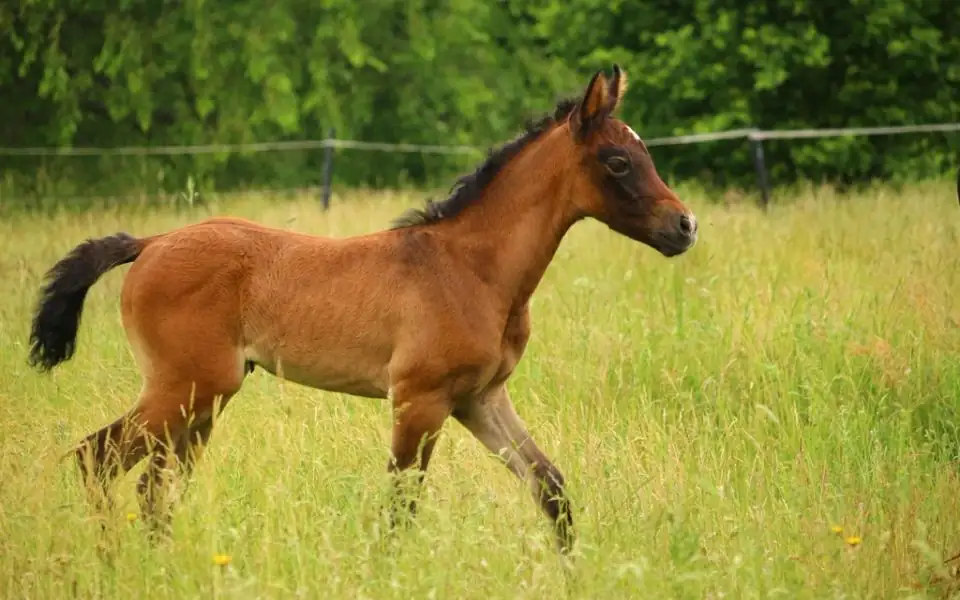
Starting a young horse is less a single event than a long run of small lessons, each one built on the last. The old term was "breaking", yet most trainers now avoid it, because the goal is the opposite: a youngster that stays curious and calm while it learns to carry a saddle, then a rider. The order rarely changes. Handling comes first, then groundwork, then tack, and only after that the first ride, with the pace set by the individual animal rather than by a calendar.
When is a young horse ready?
There is no single right age, and the experts do not agree. An equine orthopaedic surgeon answering readers of The Horse magazine put the start at around 3 to 4 years old for many breeds, with racing breeds usually started near two. Others argue for waiting until five or later, pointing out that the spine and some joints keep maturing well past the third birthday. Breed matters too: young horses of late-maturing types such as Icelandics and many warmbloods are often left longer before hard ridden work.
Canada's national Code of Practice for equines frames it simply. Horses must only undergo training that matches their physical capabilities and level of maturity. In practice, readiness looks like this:
- the youngster is sound, physically mature enough for light ridden work, in good condition and has had its feet trimmed recently;
- a veterinarian has examined the horse's mouth, since dental problems can make a bit painful;
- it copes with new sights and handling without tipping into panic;
- basic manners on the ground are already in place.
Physical size is a poor guide. A tall two-year-old can look ready and still be growing fast, which is a good reason to ask your vet before the first saddle goes on.
Handling that comes before any training
A youngster that has been handled kindly since foalhood is usually far easier to start. By the time serious lessons begin, it should wear a halter without fuss, whether a flat or a rope halter, lead at your shoulder, stand tied for short periods under supervision and pick up each foot. The national code lists a minimum for all horses: they should lead, load into a trailer and stand for the farrier, the vet and grooming.
A quieter skill matters just as much. Young horses depend on their herd, and a horse learns only gradually that leaving the paddock is safe. Start with a few minutes of hand grazing just out of sight of the field, then stretch the distance week by week. A youngster that has also stood quietly by the trailer, heard a tractor pass and walked by a flapping tarp on the lead will carry that calm into its first rides away from the arena.
Groundwork: teaching what pressure means
Almost everything ridden horses know comes back to one idea: a light pressure, released the moment they give the right answer. The release is the reward, so timing is everything. Hold the pressure a second too long and the animal learns nothing, or learns to lean into it, which horses tend to do by nature.
Groundwork is the longest stage of starting a young horse, and it uses this to teach the basics of moving forward, stopping, backing up, turning and yielding the hindquarters. Many trainers pair these with voice cues, for example a cluck to go on and "whoa" to stop, so the same words, taught long before riding begins, can follow the youngster into the saddle. Body language counts as well. Where the handler stands, how fast they move and whether their shoulders face the horse or turn away all carry meaning, and a young horse reads those signals long before a rider uses legs and reins.
Lunging takes this further. Working on a circle in walk, trot and canter, with transitions and a halt on request, builds fitness and attention. Some programs work loose in a round pen, others use a line and cavesson, and trainers disagree about side reins. Fitted long, they can introduce a light contact; leaving them off means nothing restricts a youngster that is still finding its balance. Either way, the national code recommends short training sessions spaced over time, and young horses usually take more from a brief, focused lesson than from a long one. Driving a horse too hard at this stage tends to resurface later as tension under saddle.
Introducing the tack
Tack goes on in pieces. Many trainers begin with a surcingle, or simply a pad, and let the youngster sniff it before it touches the back. A light saddle follows, with the girth done up loosely and then taken in a hole at a time over several minutes. Some horses react strongly to the girth, often called being cold-backed, and they need this stage spread over several sessions. Next comes lunging in the saddle, first with the stirrups run up, later with them down and swinging. When the horse accepts them bumping its sides at walk and trot, this stage is done.
The bridle follows once the mouth has been checked. Long-reining, sometimes called ground driving, is a useful bridge here. With a line on each side, the handler walks behind or beside the animal and teaches it to move forward, turn and stop from rein pressure, so steering is understood before anyone is sitting in the saddle.
The first ride
The step most people picture is usually the least eventful, provided everything before it was done well. A typical sequence:
- From a mounting block, the rider leans across the saddle so the youngster feels the rider's weight on its back while standing still. If the horse accepts it calmly, the rider steps down and the lesson ends there.
- Over the next sessions, the rider lies across for longer, then swings a leg over and sits up slowly.
- A helper on the ground leads the youngster by the halter a few steps at a time, so the first movement under weight is short and easy to stop.
- As the days go on, the walk gets longer, with turns in both directions and frequent halts, and the rider starts pairing the familiar voice cues with a soft leg.
- The helper steps away only when the youngster walks, turns and halts reliably, and the first solo rides stay inside an enclosed arena.
Choose the first rider for skill and temperament: someone light, calm and quick to read a horse, who can sit still through a spook without grabbing the reins. Any tension is a cue to go back one step until confidence returns. Two people, at least for the first several rides, is the safe standard.
The first weeks under saddle
Expectations for the first month are modest: walk, trot, a turn in each direction, a reliable stop and standing still to be mounted. Progress is rarely a straight line. A youngster may forget on Thursday what it did well on Monday, or grow bolder and start objecting as the work becomes familiar. Neither is a sign of failure. Go back to something it knows, finish there, and try the harder request another day.
Once steering and stopping hold up in a small space, move the riding to a full-size arena so the youngster learns to follow the rider's aids rather than the fence, then to short, flat routes outside with a settled horse for company. Wet Fraser Valley winters make a covered arena valuable for keeping sessions regular. Watch the body as well as the mind. A youngster that suddenly objects to being saddled may be sore rather than naughty, and that is worth a call to the vet.
A dependable foundation takes many months, and that is the part of starting a young horse owners most often underestimate. It is important to plan the training budget and calendar with that in mind, including time off: many youngsters get a few weeks of turnout after the first block of work and come back with the lessons intact.
Doing it yourself or hiring a professional
Doing the job yourself can work well if you have real experience working with green animals and access to an experienced helper. Without both, starting young horses is one of the riskier jobs around a barn, for animal and person. The national code itself recommends consulting an experienced trainer or coach and checking their qualifications and references.
If you send a youngster away, put the arrangement in writing: the monthly fee, what a typical week includes, who rides, how often you get updates and what happens if the horse is hurt. Agree that the timeline can stretch if the youngster needs it. Send vaccination and farrier records, and ask whether the barn requires a recent Coggins (EIA) test. The handover is the most important part. Before your newly started prospect comes home, ride it yourself with the trainer coaching, so the training continues in your hands rather than fading.
