
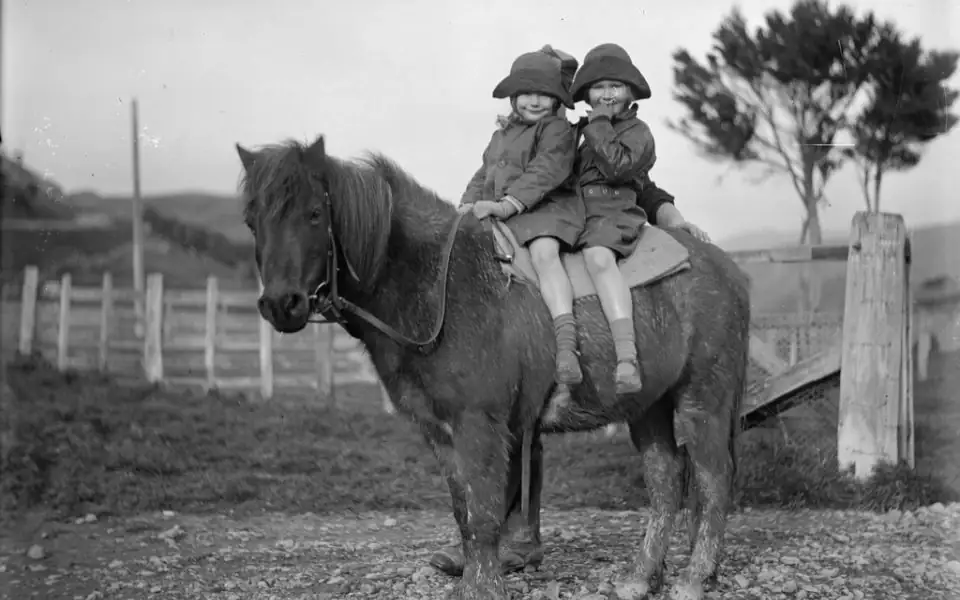
Children who come home from a week of horse camp are usually tired, dusty and full of new words: the names of ponies, of brushes, of parts of the saddle they had never heard of on Monday. That vocabulary is a good sign. A well-run summer horse camp teaches far more than how to sit on a pony. Kids learn to care for an animal that depends on them, to read its moods, and to stay calm when something does not go to plan. Here is what a typical week involves and how to pick a program that suits your child.
What a day at camp looks like
Schedules vary between barns, and half-day camps simply trim the list, but most full days follow a similar rhythm:
- Morning barn time: bringing the horses and ponies in, grooming, picking out feet and tacking up under supervision.
- Riding lessons: usually in small groups sorted by age and skill level.
- Midday break: lunch in the shade, often with a short stable management talk or quiz.
- Afternoon: ground work, chores, games on foot, crafts, or a second of the day's riding sessions for older riders.
- End of day: untacking, cooling horses off, sweeping the aisle.
Beginners are welcome at most camps; ask whether camps near you group them separately. Instructors expect nervous first-timers and plan the week so that time on the ground comes before time in the saddle.
Horse care: the part kids don't expect
Many children arrive thinking camp means riding all day. In practice, a good share of the week goes to looking after the animals, and that hands-on work is where much of the learning happens. At camp, children learn which brush goes where, why treats are given only with permission and on a flat hand, and how to put a saddle on so it does not rub. Many camps give each child one pony for the week, so its grooming, feeding and mucking out become that child's job.
This daily routine is where responsibility stops being an abstract word. If the water bucket is empty, someone has to notice. If a girth is left loose, the saddle slips. Children quickly learn the link between their own work and an animal's comfort, and most of them take it seriously. Long after the camp ends, that respect for animals is often what parents notice first.
Skills in the saddle by Friday
Progress depends on the child and the camp, so ask the instructor what to expect. For a true beginner, a realistic week might cover:
- mounting from a block and dismounting safely;
- a balanced position at the walk;
- starting, stopping and steering around cones;
- a few steps of trot, often on a lead line or with an instructor close by.
Children with some riding experience may work on rising trot, canter, small jumps or trail rides, depending on the program. Matching each camper to a suitable mount matters more than the speed of progress: a quiet, experienced pony lets a child build confidence instead of fear. Horseback riding also requires patience, because balance comes with repetition rather than in a single afternoon, and small challenges such as a pony that stops to graze are part of the learning.
Reading a horse's body language
Horses communicate constantly, and campers learn to watch for it, starting with ears and tail. Flattened ears mean back off. A lashing tail or a lifted hind foot is a warning, while a lowered head and soft eye usually mean the pony is at ease. Anything tense is a cue to step away and tell an adult.
Learning these signals is partly about safety, since a child who spots a warning early has time to move. It also helps children develop empathy and a deeper understanding of another creature. A pony that tenses at a raised voice and softens at a quiet one teaches clear communication faster than any lecture. Some educators call this emotional intelligence; at the barn it simply looks like a ten-year-old lowering her voice so a nervous pony can settle.
Life skills that go beyond riding
Horse riding for kids is often sold on its life lessons, and some of them are easy to see. A child who mounted a pony for the first time on Tuesday tends to talk about it for weeks. Common themes parents notice include:
- Patience: ponies do not respond to hurry, and tasks like braiding a mane cannot be rushed.
- Confidence: getting a stubborn pony to walk on without adult help is real proof of ability, and that confidence often reaches other areas of life.
- Social skills: holding a pony for fellow riders or sharing one grooming kit are social interactions that never stop.
- Physical activity: horse riding works muscle groups in the core and legs, and barn chores keep campers moving outdoors all day.
Conversation is easier for a shy child when it starts with the pony, and some children, particularly the quiet ones, form lasting friendships this way. Habits such as putting tools back can carry into daily life at home, and a week away from screens is an opportunity to grow.
Choosing a summer horse camp in BC
The Fraser Valley has many lesson barns that run summer camps, and quality varies. Questions worth asking before you book:
- What is the ratio of campers to staff, and does the program use certified instructors?
- How are kids grouped, and how is each camper matched with a pony or horse?
- Are helmets required for every ride? Horse Council BC recommends a certified equestrian helmet for all riders.
- What happens on very hot days, or when wildfire smoke triggers an air quality advisory, as it has in Metro Vancouver and the Fraser Valley in several recent summers?
- Is there shade, drinking water and a first aid plan, and who on site is trained in first aid?
- Is the program half-day or full-day, and what does the schedule include?
Visit if you can. Healthy, calm horses, a tidy barn and staff who explain rules clearly are better indicators than a glossy brochure.
What to pack
Check the camp's own list first, since many lend helmets. A typical bag includes boots with a small heel, long pants that do not rub at the knee, a fitted top plus a light rain jacket, gloves, sunscreen, insect repellent, a refillable water bottle, a hat for breaks, a change of clothes and any medication with written instructions. Label everything: identical black helmets and boots go missing quickly.
After camp: keeping the interest going
If camp sparks a lasting interest in horseback riding, there are structured next steps. Weekly lessons build directly on camp skills, and Equestrian Canada's LearnToCare levels give young riders a formal path in stable management. The Canadian Pony Club has branches across the Lower Mainland, including ones serving Langley and Aldergrove, with mounted and unmounted activities and a progression of tests for young members. Whatever comes next, a week of summer horse camp is often where it starts.
